
Prioritizing Electrical Safety: Key Practices Every Homeowner Should Follow
By Linnea Olsen 4 min read
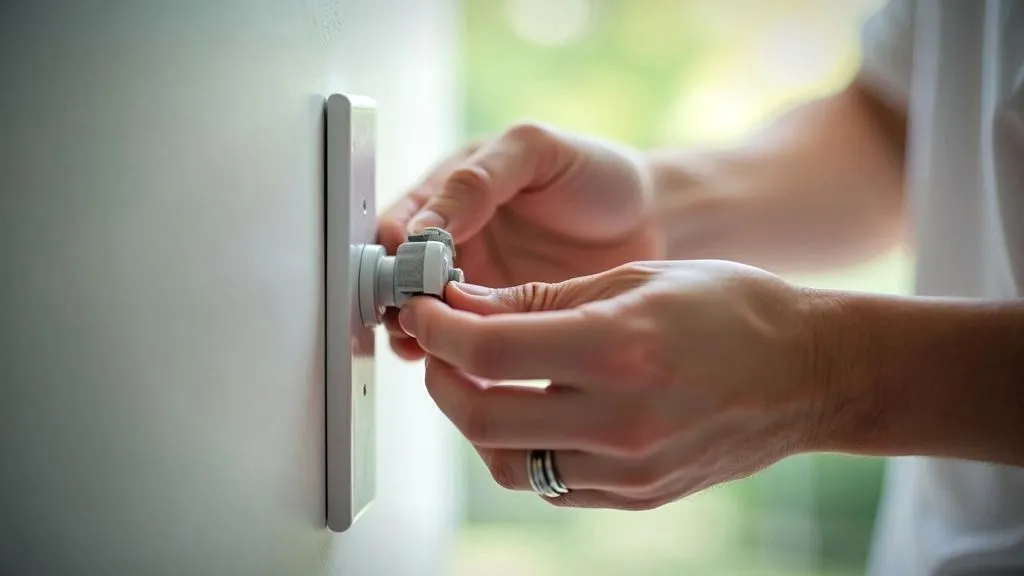
Electrical safety is a critical component of home maintenance that is often overlooked. Many homeowners tend to take their electrical systems for granted until something goes wrong. However, ensuring that your electrical installations and appliances are safe is essential not only for the longevity of your equipment but also for the safety of everyone living in your home. In this article, we will explore key practices that can help maintain electrical safety and prevent potentially hazardous situations.
Understanding Electrical Hazards
Before delving into safety measures, it's important to understand what electrical hazards might exist in your home. Electrical hazards can come from a variety of sources, including faulty wiring, overloaded circuits, and improperly used appliances. Here are some common dangers to be aware of:
- Faulty Wiring: Old or damaged wiring can lead to short circuits, sparking, and even electrical fires.
- Overloaded Circuits: Plugging too many devices into a single outlet can create heat and increase the risk of fire.
- Water Exposure: Electrical devices and water don't mix. Conductive materials can lead to serious accidents.
Being informed about these hazards is the first step toward preventing accidents.
Regular Inspections are Key
One of the most effective ways to maintain electrical safety in your home is to conduct regular inspections. This doesn't necessarily mean you need to hire an electrician every time, but you should periodically check for signs of trouble. Here are some tips for DIY inspections:
Check Outlets and Switches
Inspect your outlets and switches for signs of wear, such as discoloration or scorch marks. If you encounter an outlet that feels warm to the touch, this could indicate an overload or a wiring issue. In such cases, it's essential to consult a licensed electrician immediately.
Inspect Wiring and Cords
Look for frayed or damaged wiring, especially in areas where cords may rub against furniture or walls. Damaged cords should be replaced rather than repaired, as this can lead to further hazards.
Test Circuit Breakers
Circuit breakers are designed to prevent overloads and should be tested regularly. Understanding how to reset your breakers and knowing which circuits serve which areas of your home can help in emergency situations.
Use Appliances Safely
Safety when using electrical appliances is vital. Many accidents occur due to improper use. Here are some best practices to follow:
Avoid Overloading Outlets
As mentioned earlier, avoid plugging multiple high-wattage devices into a single outlet. Instead, distribute your appliances across different outlets and use power strips with built-in surge protectors when necessary.
Unplug When Not in Use
Many appliances consume phantom energy even when not in use. To save energy and reduce risks, unplug devices like toasters, irons, and chargers when they're not actively being used.
Follow Manufacturer Instructions
Always read and follow the manufacturer's instructions for any electrical devices. Each appliance comes with specific voltage and usage guidelines that should be adhered to for safety.
Childproofing Electrical Outlets
If you have young children at home, taking measures to childproof your electrical outlets is crucial. Electrical shock is a significant risk for curious toddlers, so consider the following preventative steps:
Install Outlet Covers
Simple plastic outlet covers can prevent children from inserting objects into outlets. These are easy to install and can be an effective first line of defense.
Use Tamper-Resistant Outlets
Tamper-resistant outlets have built-in safety shutters that prevent foreign objects from being inserted. While they come at a higher initial cost, they provide ongoing protection and peace of mind.
Emergency Preparedness
No matter how careful you are, accidents can still happen. Having a plan in place can make a significant difference in reducing risks.
Know Your Electrical Panel
Understand the layout of your electrical panel, including how to turn off the main power supply. In the event of a fire or electrical malfunction, knowing how to cut off the power can be crucial.
Prepare an Emergency Kit
Keep a well-stocked emergency kit that includes flashlights, batteries, and a fire extinguisher specifically rated for electrical fires. Knowing how to use these tools can be lifesaving.
Understanding the Importance of Professional Help
While DIY inspections and precautions are important, there are times when professional help is essential. If you suspect any issues with your electrical system, such as flickering lights, persistent circuit breaker trips, or unusual noises coming from outlets, it's vital to contact a licensed electrician. A professional can provide a thorough evaluation and ensure that your home adheres to local electrical codes.
Final Thoughts
Electrical safety is a fundamental aspect of home maintenance that requires attention and proactive measures. By staying informed about potential hazards, conducting regular inspections, and practicing safe appliance use, you can significantly reduce the risk of electrical hazards in your home. Ultimately, creating a safe living environment not only protects your family but also prolongs the life of your electrical systems, ensuring peace of mind for years to come.