
The Hidden Dangers of Asbestos: What Every Homeowner Should Know
By Linnea Olsen 4 min read
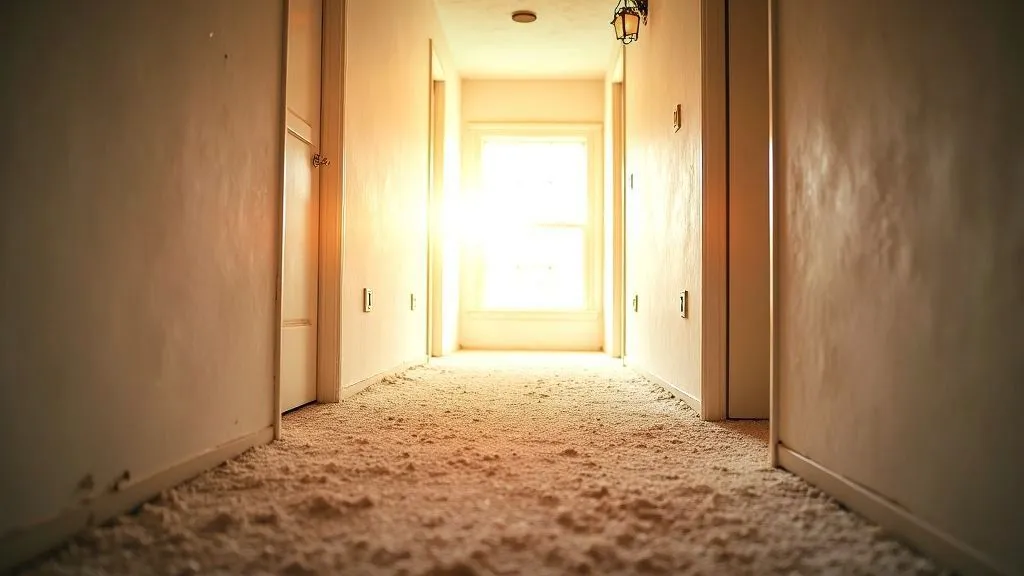
Asbestos has been a hot topic in home inspections and renovations for decades. This naturally occurring mineral, once heralded for its fire-resistant properties, has since been linked to severe health risks. Knowing how to identify asbestos and understanding its potential dangers is essential for every homeowner. In this article, we’ll explore the history of asbestos, its health implications, and how to manage it safely in your home.
What Is Asbestos?
Asbestos is a group of six silicate minerals that can be molded into various shapes and forms. Because of its unique properties—fire resistance, insulation capabilities, and durability—it was widely used in construction materials throughout the 20th century. Common applications included:
- Insulation for pipes and boilers
- Ceiling tiles
- Floor tiles
- Textured paints
- Roofing materials
Unfortunately, despite its advantages, asbestos is notorious for its health risks, leading to its decline in use and the establishment of stringent regulations concerning its handling.
Health Risks Associated with Asbestos Exposure
Exposure to asbestos can occur when materials containing it are disturbed, releasing microscopic fibers into the air. Inhalation or ingestion of these fibers can lead to serious health conditions, including:
Asbestosis
Asbestosis is a chronic lung disease caused by the inhalation of asbestos fibers, leading to scarring of lung tissue. Symptoms include shortness of breath, persistent cough, and chest pain. It’s a progressive condition that can worsen over time, leading to severe respiratory issues.
Mesothelioma
Mesothelioma is a rare yet aggressive form of cancer primarily associated with asbestos exposure. It affects the lining of the lungs, abdomen, or heart. Symptoms often do not appear until decades after exposure, making it difficult to diagnose early.
Lung Cancer
Asbestos exposure significantly increases the risk of lung cancer, especially in individuals who smoke. Symptoms can include a persistent cough, chest pain, and unexplained weight loss. Early detection is crucial for effective treatment.
Identifying Asbestos in Your Home
If your home was built before the 1980s, it’s wise to be cautious. Many materials used during that time may contain asbestos. Here are a few areas where asbestos is commonly found:
- Insulation: Pipe insulation, boiler insulation, and around heating ducts.
- Flooring: Vinyl floor tiles and the backing on sheets of vinyl flooring.
- Ceiling Texture: Some popcorn ceilings and textured paints.
- Roofing Materials: Shingles and siding.
Signs of Asbestos Presence
While you may not visually identify asbestos, certain signs can indicate its presence:
- Age of the Home: Homes built before the 1980s are more likely to contain asbestos materials.
- Unusual Damage: If any materials are damaged or disturbed, it may release fibers into the air.
- Renovation History: Previous renovations can disturb asbestos-containing materials, making it essential to assess any changes made.
What to Do If You Suspect Asbestos
If you suspect that your home contains asbestos, do not attempt to remove it yourself. Here’s how to proceed safely:
Get an Inspection
Hire a licensed asbestos inspector to assess the situation. They can collect samples and send them to a laboratory for analysis. This step is crucial for determining the presence and condition of asbestos materials.
Risk Assessment
If asbestos is confirmed, the inspector will provide a risk assessment. They will evaluate whether the materials are in good condition and if they pose an immediate risk to your health.
Removal or Encapsulation
Depending on the findings, there are typically two options:
- Removal: If the asbestos poses a significant risk, professional removal is necessary. This process involves strict safety protocols.
- Encapsulation: If the asbestos is in good condition and not likely to be disturbed, encapsulation may be a better option. This method involves sealing the material to prevent fiber release.
Legal Considerations and Regulations
Understanding the legal landscape regarding asbestos is essential for homeowners. Regulations vary by state and locality, but generally, they require:
- Proper labeling of asbestos-containing materials.
- Notification of local health departments in case of removal.
- Compliance with safety standards during removal or encapsulation.
Familiarizing yourself with these regulations can help you navigate the complexities of managing asbestos in your home.
Preventive Measures and Best Practices
Taking preventative measures can help minimize the risk of asbestos exposure. Here are some best practices:
Regular Inspections
Regularly inspect areas of your home where asbestos may be present, especially if you plan on renovating or making major repairs. Always consult professionals for guidance.
Avoid Disturbing Materials
If you know asbestos-containing materials exist in your home, avoid disturbing them. This includes not sanding, drilling, or scraping surfaces that might contain asbestos.
Educate Yourself
Stay informed about asbestos and its risks. Knowledge is power. Understanding the potential dangers can help you make informed decisions regarding your home.
Conclusion
Asbestos may be a relic of the past, but its presence in older homes continues to pose a risk to homeowners today. Understanding what asbestos is, the health implications of exposure, and how to manage it safely is crucial. Always prioritize safety by seeking professional guidance when dealing with suspected asbestos. By taking precautionary measures, you can protect yourself and your loved ones from the hidden dangers of this hazardous material.