
Essential Steps to Consider When Building Your Dream Home
By Linnea Olsen 4 min read
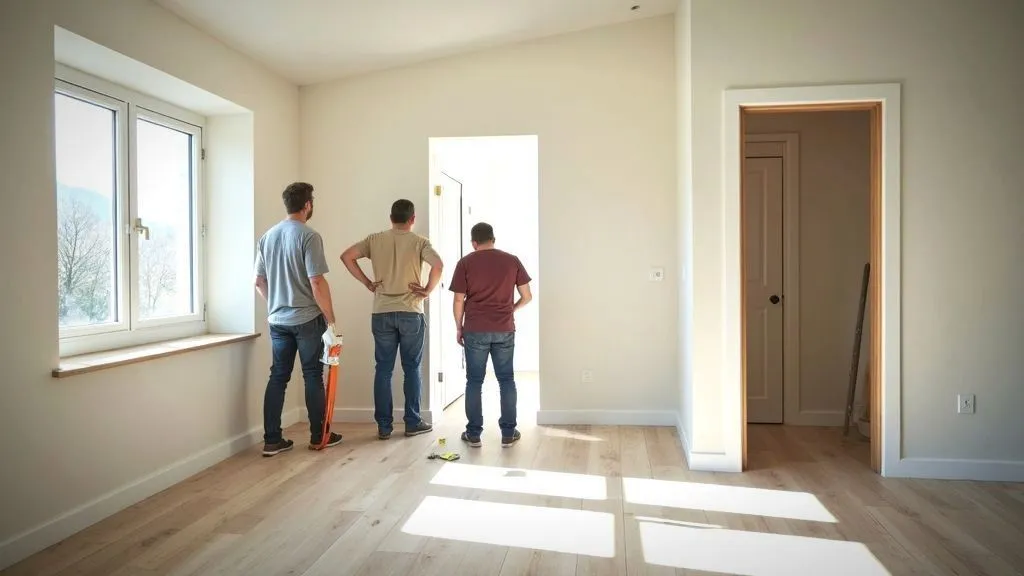
Building a home is an exciting journey, filled with decisions that will impact your life for years to come. It requires careful planning, budgeting, and a clear vision of what you want. In this article, we will explore essential steps and considerations that can help ensure the process runs smoothly, resulting in the home of your dreams.
Planning Your Dream Home
Define Your Needs and Wants
Before diving into the construction process, take time to assess your lifestyle and what you want from your new home. Consider the following questions:
- How many bedrooms and bathrooms do you need?
- What type of layout suits your family’s needs?
- Are there specific features like a home office, gym, or guest room that you envision?
- What are your long-term goals regarding space and functionality?
Creating a detailed list of your needs versus wants will help guide your decisions and ensure that the final result meets your expectations.
Set a Realistic Budget
Once you have a clear idea of what you want, it’s time to determine your budget. Building a home can be more complex than buying an existing one, as costs can vary significantly based on location, materials, and size.
- Estimate Total Costs: Include not only construction costs but also land acquisition, permits, inspections, landscaping, and furnishing.
- Plan for Contingencies: It’s wise to set aside a percentage of your budget for unexpected expenses. A 10-20% contingency can alleviate stress as the project progresses.
- Financing Options: Explore various financing options, such as construction loans or mortgages, and consult with a financial advisor to choose the best route for you.
Choosing the Right Location
Land Selection
The location of your new home is a crucial factor that influences your lifestyle, property value, and quality of life. Here are essential factors to consider:
- Proximity to Work and School: Consider the commute for you and your family members. Accessibility to schools and workplaces can greatly affect daily life.
- Neighborhood Amenities: Look for nearby parks, grocery stores, healthcare facilities, and entertainment options that suit your lifestyle.
- Future Developments: Research any planned developments in the area that may affect your property value over time.
Zoning and Regulations
Before purchasing land, understand the zoning regulations that might affect your building plans. Each locality has different rules regarding what can be built where, including restrictions on height, type of structures, and land use.
Designing Your Home
Work with Professionals
Hiring the right professionals can make a world of difference in bringing your vision to life. Consider hiring:
- Architects: An architect can help translate your ideas into a functional blueprint while ensuring compliance with local building codes.
- Contractors: A reputable general contractor can manage the construction process, coordinate with subcontractors, and keep the project on schedule.
- Interior Designers: If you want to create a cohesive aesthetic for your home’s interior, working with a designer can help realize your vision.
Sustainability and Energy Efficiency
Incorporating sustainable practices into your home design can save you money in the long run and minimize your environmental impact. Consider features such as:
- Energy-efficient appliances: These can reduce utility bills and promote a greener living environment.
- Solar panels: Harnessing solar energy can significantly decrease your reliance on traditional power sources.
- Sustainable materials: Opt for materials that are renewable, recyclable, or sourced responsibly.
Navigating the Construction Process
Timeline Management
Building a home involves numerous stages, from clearing the land to final inspections. Keeping track of the timeline is essential. Here are some tips:
- Create a detailed schedule: Work with your contractor to outline each phase of construction and establish realistic timelines.
- Regular site visits: Check in often to ensure everything is on track and to address any issues that arise promptly.
- Communication: Maintain open communication with your builder, subcontractors, and designers throughout the process to foster collaboration.
Inspections Along the Way
Conducting regular inspections during construction is vital for ensuring that everything is built to code and according to plan. Schedule inspections at key milestones, such as:
- Foundation completion
- Framing stage
- Final walkthrough before closing
Having a qualified inspector evaluate the work can help you catch any potential issues early.
Preparing for Move-In
Final Touches
As your home nears completion, focus on the final touches that will make it truly yours. Think about:
- Landscaping: Invest in landscaping to enhance curb appeal and create a welcoming outdoor space.
- Interior Finishes: Choose paint colors, flooring, and fixtures that reflect your style and create a warm atmosphere.
- Safety Features: Don’t forget essential safety measures like smoke detectors, security systems, and fire extinguishers.
Transitioning to Your New Home
As you approach moving day, prepare for the logistics involved in relocating. Organize moving services, transfer utilities, and update your address.
Consider creating a welcome kit with essential items for the first few days in your new home. This can include toiletries, snacks, and important documents so that you can settle in comfortably.
Conclusion
Building a home is a multifaceted endeavor that requires careful planning, professional collaboration, and ongoing communication. By following these essential steps, you can navigate the complexities of construction and create a space that meets your needs for years to come. The journey may be challenging, but the reward of living in your dream home is worth the effort.